



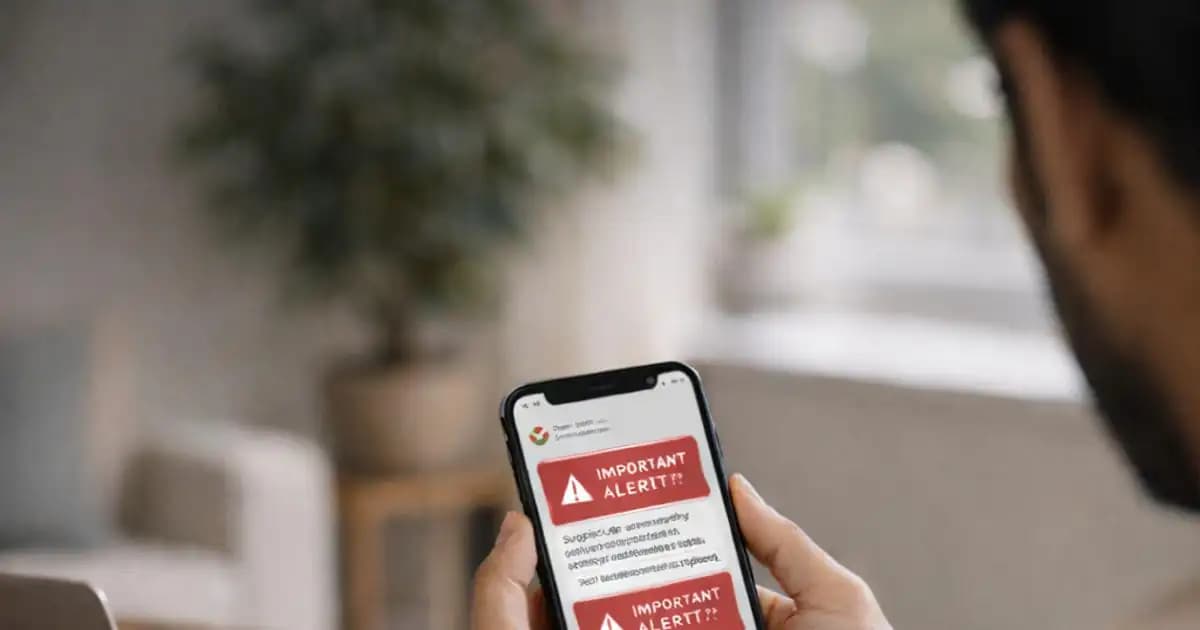
India’s digital transformation has brought speed, scale, and convenience into everyday life. Aadhaar plays a central role in this shift. It connects identity to banking, telecom services, welfare schemes, and countless online verifications. But as Aadhaar usage has expanded, so has a quieter, more troubling trend: Aadhaar digital fraud.
Most people assume fraud happens because systems are hacked. In reality, Aadhaar linked fraud usually exploits trust, urgency, and lack of awareness. The system itself remains secure. The weak point is often how Aadhaar details are shared, stored, or verified in real world situations.
This article explains how Aadhaar (1) linked frauds actually work, the most common scam patterns, and practical steps you can take to stay safe without fear, jargon, or exaggeration.
Why Aadhaar Has Become a Target for Digital Fraud
Aadhaar was designed as a universal identity layer. That design makes it extremely useful and extremely attractive to fraudsters.
Aadhaar is linked to:
- Bank accounts and payments
- Mobile numbers and SIM verification
- Government benefits and subsidies
- Online KYC for multiple services
Fraudsters don’t need to break into Aadhaar databases. They only need enough information to impersonate you or trick systems that rely on Aadhaar based verification.
Aadhaar Digital Fraud Is Mostly About Social Engineering
One of the most misunderstood aspects of Aadhaar digital fraud is how it happens.
In most reported cases:
- UIDAI systems are not breached
- Data leaks come from user behavior or weak handling
- Fraud relies on manipulation, not hacking
Scammers use urgency, authority, and confusion. A call claiming “your Aadhaar will be blocked” is often enough to make someone share an OTP or document without thinking twice.
The Most Common Aadhaar Linked Scam Types
Understanding patterns makes fraud easier to spot. These are the most frequent Aadhaar digital fraud scenarios reported by cybercrime agencies and consumer helplines.
Fake Aadhaar Update Calls
Scammers pose as officials and claim your Aadhaar needs urgent updating. They ask for OTPs or documents to “fix” the issue.
UIDAI has repeatedly clarified that it does not make such calls.
OTP and Verification Code Scams
A caller claims to verify Aadhaar linked services and requests an OTP sent to your phone.
Sharing that OTP can allow unauthorized access to services linked to your identity.
Fraudulent KYC Links and Websites
Messages contain links that look official. These sites collect Aadhaar numbers, documents, and biometric consent under false pretenses.
Once shared, this data can be reused or sold.
Biometric Misuse at Assisted Service Centers
In rural and semi urban areas, assisted digital services are common. Unscrupulous operators may misuse fingerprints or perform unauthorized authentications.
This is one of the most under reported forms of Aadhaar digital fraud.
Misuse of Aadhaar Photocopies and Images
Unmasked Aadhaar copies left with hotels, shops, or agents can be scanned, altered, or reused without consent.
Physical documents still matter in digital fraud.
Why Partial Aadhaar Data Can Still Be Dangerous
A common myth is that fraud requires the full Aadhaar number. That is not always true.
Partial information combined with phone numbers, dates of birth, or leaked documents can be enough to:
- Attempt identity impersonation
- Trigger fraudulent KYC attempts
- Mislead customer support systems
This is why minimizing data exposure matters as much as protecting the full number.
UIDAI Recommended Safety Tools You Should Actually Use
UIDAI offers multiple safety features, but awareness remains low. These tools are simple and effective when used correctly.
Masked Aadhaar
Masked Aadhaar hides the first eight digits and shows only the last four.
It is valid for most verification needs and significantly reduces misuse risk.
Biometric Locking
Biometric locking disables fingerprint and iris authentication unless you temporarily unlock it.
This prevents unauthorized biometric use, especially at physical centers.
Authentication History Monitoring
Users can view when and where Aadhaar authentication occurred.
This acts as an early warning system for suspicious activity.
Simple Habits That Prevent Most Aadhaar Digital Fraud
Technology helps, but habits matter more. These practices reduce risk dramatically:
- Never share OTPs, regardless of urgency
- Avoid storing Aadhaar images on your phone
- Use masked Aadhaar whenever possible
- Lock biometrics when not required
- Use only official UIDAI portals and apps
Fraud prevention is about consistency, not complexity.
What To Do If You Suspect Aadhaar Linked Fraud
If something feels wrong, act quickly.
Steps to take:
- Stop further sharing immediately
- Lock Aadhaar biometrics
- Check authentication history
- Report the issue through official cybercrime channels
Quick action often limits damage.
Long Term Implications for Digital Identity Safety
As India’s digital ecosystem grows, Aadhaar will remain central. That makes awareness and user level security essential.
In the long run:
- Safer usage builds trust in digital governance
- Reduced fraud improves service reliability
- Users gain confidence in online systems
Aadhaar security is not about fear it’s about informed use.
FAQs
Is Aadhaar digital fraud caused by UIDAI system failures?
No. Most cases result from misuse, not system breaches.
Can fraud happen without sharing OTPs?
Yes, through document misuse or biometric exploitation.
Is masked Aadhaar legally valid?
Yes, for most verification purposes.