


emotional suppression often hides behind praise. It’s framed as resilience, maturity, professionalism the ability to keep going no matter what. People admire it. Reward it. Sometimes even demand it. But over time, what looks like strength on the surface can quietly turn into something dangerous underneath.
Most People don’t decide to suppress their emotions. It happens gradually. You learn that crying makes others uncomfortable. That anger creates problems. That fear looks weak. So you adapt. You stay composed. You swallow reactions. You tell yourself you’ll deal with it later. Except “later” keeps getting postponed, and the feelings don’t disappear. They just go underground.
How strength became a performance
Modern ideas of strength are deeply performative. Being strong is often equated with being unbothered, efficient, and endlessly capable. You show up to work no matter what’s happening at home. You support everyone else without needing support yourself. You keep moving.
This version of strength is praised because it’s convenient. It doesn’t interrupt schedules or slow conversations. It doesn’t ask for accommodation. It doesn’t complicate systems that value productivity over people.
But real emotional life is rarely convenient. Grief doesn’t arrive on a timeline. Anxiety doesn’t wait for weekends. When strength is defined as the absence of visible emotion, people learn to hide their inner lives instead of understanding them.
Over time, that hiding becomes a habit.
The quiet mechanics of emotional suppression
Emotional suppression isn’t dramatic. It doesn’t always look like denial or numbness. Often, it shows up as over-functioning.
You become the reliable one. The calm one. The person who handles things. You talk about difficult experiences in a detached way, like they happened to someone else. You intellectualize pain instead of feeling it. You minimize your reactions because others “have it worse.”
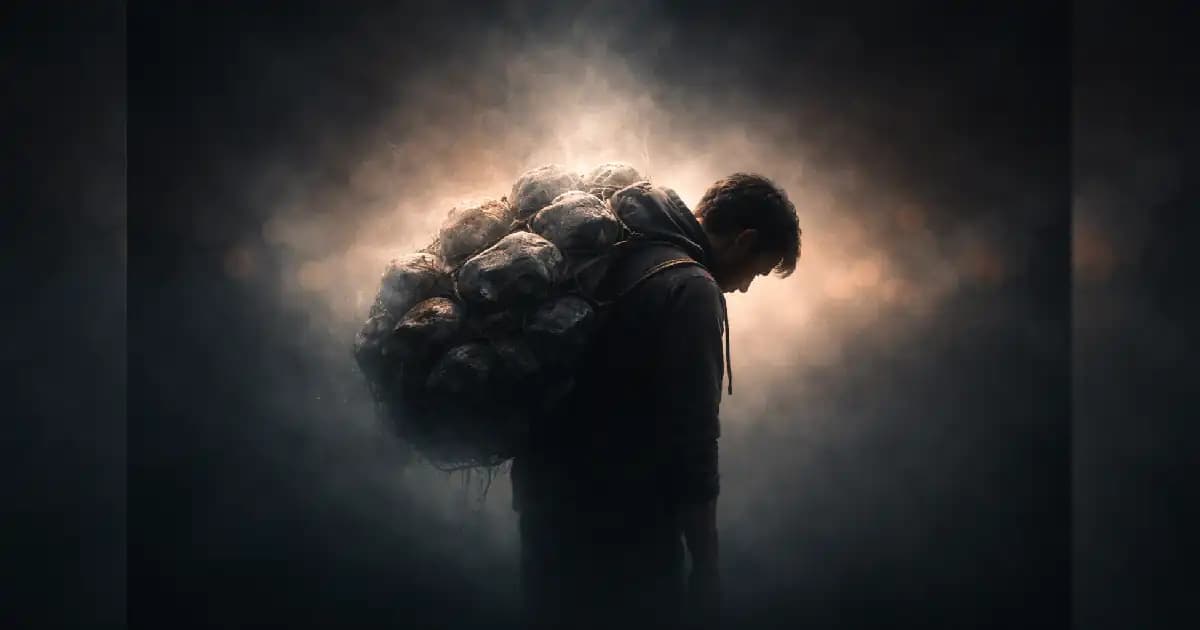
Inside, emotions don’t disappear. They just lose language. Without expression, feelings get stored in the body and the nervous system. Tension becomes chronic. Sleep becomes shallow. Small stressors trigger outsized reactions, and you don’t understand why.
What’s happening isn’t weakness. It’s accumulation.
Why this pattern feels safer than vulnerability
For many people, emotional suppression developed as protection. Maybe showing feelings once led to rejection, ridicule, or being misunderstood. Maybe vulnerability was met with silence. Maybe you learned early that emotions were a burden to others.
In those contexts, suppression made sense. It reduced conflict. It helped you survive. It earned approval.
The problem is that survival strategies don’t automatically update when circumstances change. What protected you in one environment can quietly harm you in another. You may now be surrounded by people who could handle your truthbut your nervous system still expects consequences.
So you stay guarded. You call it strength. And no one questions it, because from the outside, you’re functioning.
When being “fine” becomes a warning sign
One of the most misunderstood signals of emotional trouble is constant composure. People assume distress looks like chaostears, breakdowns, visible instability. But many people struggling the most look perfectly fine.

They don’t complain. They don’t ask for help. They don’t slow down. They’re often high-achieving, dependable, and respected.
Inside, however, they feel increasingly disconnected. Joy feels muted. Relationships feel distant. There’s a low-grade exhaustion that doesn’t go away with rest. Sometimes it shows up as irritability, sometimes as emptiness.
The danger of emotional suppression is that it delays care. Because nothing looks “wrong,” neither the person nor the people around them recognize the need for support until the system breaks downthrough burnout, anxiety disorders, depression, or physical illness.
The body keeps the score, even when the mind moves on
You can ignore emotions consciously, but your body doesn’t forget them. Stress hormones remain elevated. Muscles stay braced. The nervous system stays on alert.
This is why suppressed emotion often shows up physically. Headaches. Digestive issues. Chronic fatigue. Tight chests. Unexplained aches. The body becomes the messenger when the voice has been silenced.
People often treat these symptoms as separate problems, searching for productivity hacks or medical fixes without addressing the emotional load underneath. But without emotional processing, the stress response never fully resolves.
Strength that requires constant tension eventually costs more energy than it saves.
Relationships suffer when emotions are hidden
Emotional suppression doesn’t just affect individuals; it reshapes relationships. When someone consistently minimizes their inner world, intimacy becomes difficult. Others may feel shut out, even if they can’t name why.
You might be present but unreachable. Supportive but distant. Dependable but opaque.
Over time, this creates misunderstandings. Loved ones may assume you don’t need help or don’t trust them. You may feel unseen, even though you never showed yourself. Both sides experience disconnection without realizing its source.
Vulnerability isn’t just about expressing painit’s how people build emotional safety. Without it, relationships stay functional but shallow.
The cultural cost of glorifying emotional toughness
On a larger scale, cultures that glorify emotional toughness produce quiet suffering. People delay seeking help. Mental health struggles become private battles instead of shared concerns. Empathy gets replaced with efficiency.
This doesn’t just affect individuals; it affects workplaces, families, and communities. Burnout becomes normalized. Exhaustion becomes a badge of honor. Emotional needs are framed as personal failures instead of human realities.
When vulnerability is treated as weakness, people don’t stop having emotions. They stop acknowledging them. And unacknowledged emotions don’t disappearthey find other ways out.
What healthier strength actually looks like
Real strength isn’t emotional silence. It’s emotional flexibility.
It’s the ability to feel without being overwhelmed. To name what’s happening internally without losing control. To recognize when you need support and allow yourself to receive it.
This doesn’t mean sharing everything with everyone or living in constant emotional exposure. Boundaries still matter. Privacy still matters. But suppression and boundaries aren’t the same thing.
Boundaries choose what to share. Suppression denies that there’s anything to share at all.
Healthier strength allows room for both competence and vulnerability. It understands that emotions are information, not threats.
Learning to listen without collapsing
One fear many people have is that if they stop suppressing emotions, everything will fall apart. That once they open the door, they won’t be able to close it.
In reality, emotions tend to become more manageable when acknowledged, not less. Naming a feeling doesn’t amplify itit organizes it. It gives the nervous system a signal that the experience is being processed.
This doesn’t require dramatic releases. Sometimes it’s as simple as admitting, even privately, that something hurt. Or noticing tension instead of ignoring it. Or allowing a moment of sadness without immediately reframing it.
These small acts of attention rebuild trust between mind and body.
Why this matters more than ever
In a world that moves fast and rewards output, emotional suppression is often mistaken for efficiency. But the long-term cost is high. Burned-out individuals. Strained relationships. Communities disconnected from empathy.
As conversations around mental health become more visible, the next challenge isn’t just awarenessit’s redefining strength. Making room for emotional honesty without shame. Teaching people that resilience doesn’t mean absence of feeling; it means capacity to feel and recover.
When people are allowed to be human without penalty, they don’t become weaker. They become more sustainable.
Choosing a different definition of strong
Being strong doesn’t have to mean carrying everything alone. It doesn’t require silence or self-erasure. Strength can include pause. It can include asking. It can include softness without collapse.
Letting emotions exist doesn’t make you fragile. It makes you honest.
And honestyespecially with yourselfis often the most stabilizing force there is.
FAQs
What is emotional suppression exactly?
It’s the habit of consciously or unconsciously avoiding the expression or acknowledgment of emotions, often to appear strong or avoid conflict.
Is emotional suppression always harmful?
Short-term suppression can be useful in specific situations, but long-term patterns increase the risk of mental and physical health issues.
How is emotional suppression different from emotional control?
Emotional control involves awareness and regulation. Suppression involves ignoring or denying emotions altogether.
Can emotional suppression cause physical symptoms?
Yes. Chronic stress, headaches, fatigue, and other physical issues are commonly linked to unprocessed emotions.
How can someone start addressing suppressed emotions safely?
By building awareness graduallythrough reflection, conversation, or professional supportwithout forcing emotional exposure all at once.