

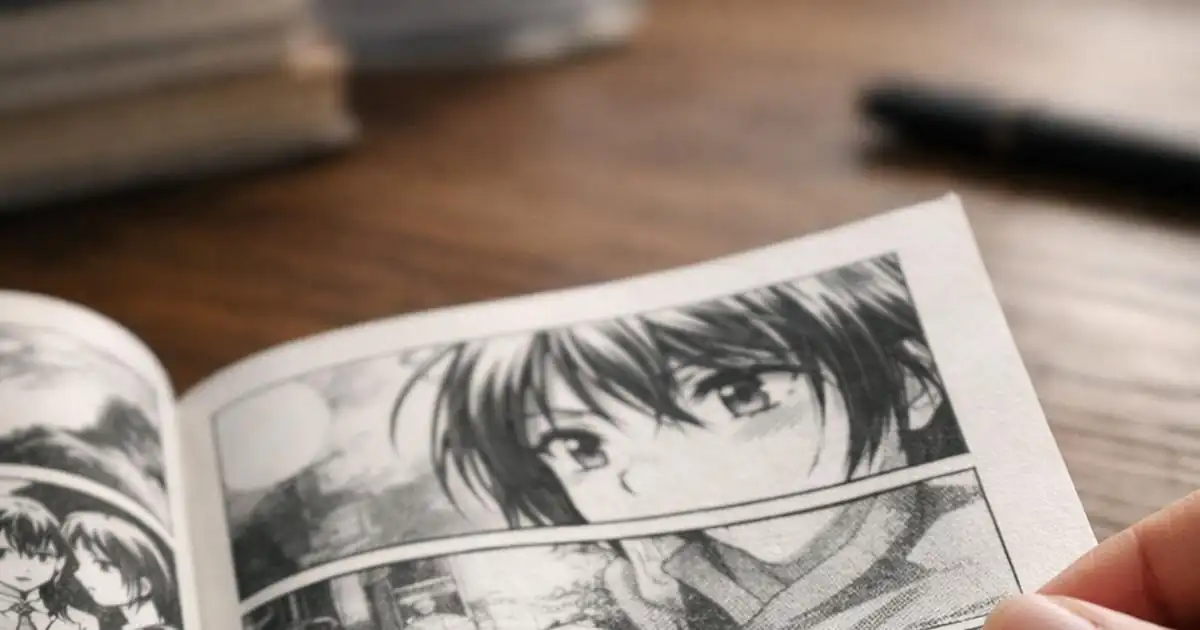
For most readers, Entertainment begins the moment a story captures their attention. In manga, that experience starts earlier than most people realize before the first panel is even read. The texture, weight, and tone of manga paper silently shape how fans emotionally connect with the story. While characters and plot drive imagination, the physical medium determines how deeply that imagination settles in.
Unlike digital screens, printed manga offers a tactile dimension that anchors the reader. The paper absorbs ink differently, softens contrasts, and subtly guides the eye. These physical qualities influence pacing, mood, and even how long a reader stays immersed. Manga is not a background detail; it is part of the storytelling engine.
Why Entertainment Relies on Physical Sensation, Not Just Story
In modern discussions of Entertainment, visuals and narratives dominate. Yet neuroscience suggests engagement deepens when multiple senses work together. Touch, resistance, and texture reinforce memory. Manga provides exactly that.
Readers unconsciously register the slight drag of inked pages, the softness of fibers, and the sound of page turns. These sensations slow consumption and create ritual. Unlike scrolling, reading manga on paper encourages presence. This physical engagement explains why collectors often prefer print even when digital copies are available.
The medium does not compete with the storyit amplifies it.
Manga Paper as an Invisible Design Tool in Entertainment
Ink Absorption and Visual Tone
Manga artwork relies heavily on black-and-white contrast, line density, and negative space. Paper quality determines how sharply lines hold or softly spread. A slightly porous surface reduces glare and enhances subtle shading. This makes Emotional expressions feel warmer and more human.
Page Thickness and Narrative Rhythm
Thin paper allows for faster page turns, accelerating action sequences. Heavier paper slows reading, ideal for reflective or dramatic moments. Publishers adjust these variables deliberately to shape narrative rhythman often-overlooked Entertainment technique.
Aging and Nostalgia
Paper that yellows over time creates a living archive. Older manga volumes carry visual history, reinforcing nostalgia. This aging process turns stories into artifacts, strengthening long-term fan loyalty.
How Entertainment Publishing Chooses Manga Paper (Quietly)
Behind every volume is a balance of cost, durability, and reader expectation. Publishers rarely discuss these decisions publicly, yet they are central to the Entertainment economy.
Key factors include:
- Print run size and expected rereads
- Ink saturation requirements for detailed artwork
- Target demographic (collectors vs casual readers)
- Shipping weight and storage longevity
Premium editions often use higher-grade not for luxury alone, but because fans associate tactile quality with respect for the story.
Entertainment, Manga Paper, and Cultural Reading Habits
In Japan and abroad, reading environments differ. Crowded trains, cafés, and homes demand paper that performs well under varied lighting and handling. Manga paper evolved to reduce glare, resist smudging, and remain legible even after repeated folding.
These adaptations influence how Entertainment travels culturally. A manga that feels comfortable to read anywhere becomes part of daily life, not just leisure time. That portability expands audience reach without changing content.
The Psychological Comfort of Familiar Paper in Entertainment
Fans often describe returning to manga as “comfort reading.” This response is not accidental. Familiar paper texture acts as a cognitive cue, signaling safety and predictability. In stressful environments, the physical consistency of manga helps regulate attention and mood.
This is why long-running series rarely change drastically. Altering texture risks breaking emotional continuitya subtle but powerful Entertainment principle.
Digital Growth Hasn’t Replaced Manga PaperHere’s Why
Despite digital convenience, print manga sales remain resilient. Screens offer clarity, but they remove friction. Without friction, reading becomes fasterand less memorable.
Manga paper introduces pauses. Page turns become breathing spaces. Ink imperfections add character. These qualities anchor stories in memory, enhancing long-term attachment to the Entertainment itself.
Digital and print now serve different emotional purposes rather than competing directly.
Sustainability: The Next Evolution of Entertainment Materials
Environmental concerns are reshaping production. Recycled fibers, lower-bleach processes, and sustainable sourcing are becoming standard. Importantly, readers increasingly value eco-conscious choices as part of ethical Entertainment consumption.
Publishers who innovate here gain trust without compromising sensory quality. The future of manga paper lies in balancing sustainability with tactile integrity.
What the Future Holds for Entertainment and Manga Paper
As immersive media expands, physical storytelling will become more intentional. Manga paper will likely evolve toward:
- Optimized textures for eye comfort
- Lighter weights without transparency loss
- Hybrid print designs supporting AR layers
- Eco-certified production standards
Rather than disappearing, will define premium Entertainment experiencesslow, meaningful, and collectible.
Frequently Asked Questions
Why does manga paper matter in entertainment?
Because it shapes how readers physically and emotionally engage with stories, influencing immersion and memory.
Is manga paper different from regular book paper?
Yes. It is optimized for ink absorption, contrast control, and long reading sessions.
Will digital manga replace paper completely?
Unlikely. Digital offers convenience, while delivers emotional depth and sensory engagement.
Do publishers choose paper based on genre?
Often. Action, romance, and slice-of-life genres benefit from different paper characteristics.