

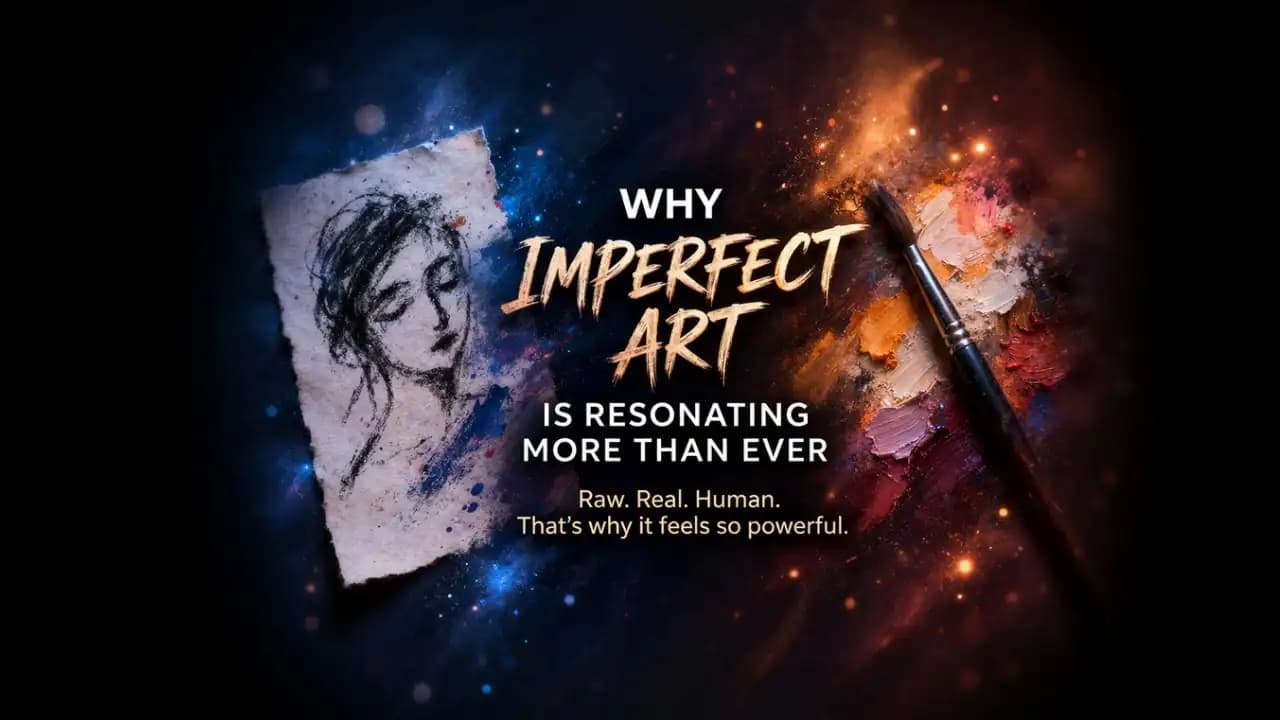
Imperfect art trend is quietly reshaping how people create and connect in 2025, especially when scrolling through Instagram or saving messy sketches on Pinterest and thinking, “Why does this feel more real than polished work?” That question is where many people find themselves today not just artists, but everyday users noticing that rough edges, visible brush strokes, and even “mistakes” are suddenly what draw attention.
There’s a shift happening, and it’s not accidental.
Why does imperfect art feel more relatable than polished work?
A few years ago, most people associated “good art” with precision clean lines, flawless shading, perfectly edited digital pieces. But now, when someone posts a slightly uneven watercolor, a scribbled journal page, or a rough charcoal portrait, it often gets more engagement.
That’s not just a trend it reflects how people are feeling.
In daily life, especially since 2024, many users have become more aware of how curated everything looks online. Perfect feeds, filtered faces, hyper-edited videos they’re everywhere. And over time, they start to feel distant, even exhausting.
Imperfect art breaks that pattern.
It feels:
- Human instead of manufactured
- Spontaneous instead of planned
- Honest instead of performative
When someone sees a sketch that isn’t “perfect,” it doesn’t create pressure it creates connection.
“Why do messy sketches go viral now?” what’s actually happening
If you’ve noticed posts like:
- “Just a rough sketch…”
- “Not perfect but I tried”
- “Messy but honest”
…getting thousands of likes, you’re not imagining it.
What’s happening is a shift in what people value visually.
Platforms like Instagram, TikTok, and even WhatsApp status sharing have changed how art is consumed. People are no longer just looking for skill they’re looking for feeling.
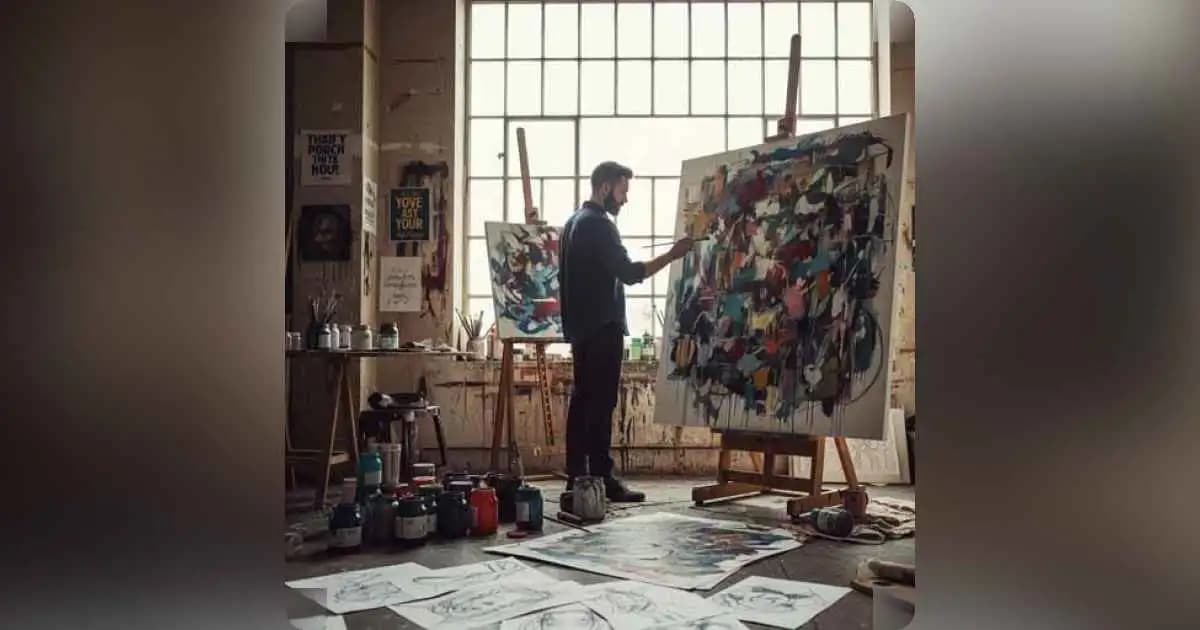
Imperfect art carries visible effort:
- You can see where the hand hesitated
- You notice where the line changed direction
- You sense the moment, not just the outcome
That visibility makes the process part of the art.
And in a time where AI-generated visuals and ultra-polished content are everywhere, anything that looks unmistakably human stands out immediately.
Why this matters even if you’re not an artist
This shift isn’t only affecting professional creators. It’s influencing how everyday people express themselves.
Think about:
- Doodles in notes apps
- Handwritten captions instead of typed ones
- Simple sketches shared in group chats
- DIY crafts posted without heavy editing
These small acts reflect a deeper change people are becoming more comfortable showing things as they are, not as they “should be.”
For many, this reduces the pressure to be perfect before sharing anything.
And that’s powerful.
Because for years, perfection stopped people from Creating at all.
The quiet pressure that perfection created
Before this shift, many people avoided creative expression entirely because they felt:
- “I’m not good enough to post this”
- “This doesn’t look professional”
- “Others are way better than me”
Perfection wasn’t just a standard it became a barrier.
Especially in digital spaces where comparison is constant, people started associating creativity with performance rather than expression.
The imperfect art trend is slowly dismantling that.
It gives permission to:
- Share unfinished work
- Experiment without fear
- Create without needing validation
And that changes how creativity fits into everyday life.
Is imperfect art actually less skilled? Or just different?
One common confusion people have is:
“Does this mean skill doesn’t matter anymore?”
Not exactly.
Imperfect art isn’t about lack of skill it’s about intentional looseness.
In many cases, Artists who create “imperfect-looking” work actually understand fundamentals deeply. They choose to:
- Leave lines unrefined
- Avoid over-polishing
- Preserve raw emotion
It’s similar to how handwriting can feel more personal than typed text even if typing is technically cleaner.
The value shifts from precision to presence.
How 2024–2025 changed what people respond to visually
Over the past year, several things have influenced this trend:
1. Rise of AI-generated perfection
With tools producing flawless images instantly, people started craving something that felt unmistakably human.
Ironically, the more perfect content became, the more people trusted imperfection.
2. Burnout from curated content
Users began expressing fatigue with overly aesthetic feeds.
Comments like:
- “This feels too staged”
- “Nothing looks real anymore”
…became more common.
Imperfect art acts as a reset it removes that pressure.
3. Growth of “process over outcome” culture
More creators are sharing:
- Time-lapse sketches
- Behind-the-scenes drafts
- First attempts instead of final versions
People are engaging more with the journey than the result.
4. Emotional honesty becoming more visible
In recent months, content that reflects vulnerability even in subtle ways tends to resonate more.
A slightly flawed drawing can communicate emotion better than a technically perfect one.
The emotional layer people don’t always talk about
Imperfect art often carries something that polished work can lose: emotional texture.
You might not consciously think about it, but when you see:
- A shaky line
- Uneven shading
- Smudged charcoal
…it signals something human happened there.
That subtle imperfection mirrors real life:
- Conversations aren’t perfect
- Feelings aren’t clean
- Experiences aren’t symmetrical
So when art reflects that, it feels aligned with reality.
Are there risks in following this trend blindly?
Like any shift, there are misunderstandings.
Some people interpret imperfect art as:
“Anything careless is now good.”
But that’s not quite true.
There’s a difference between:
- Intentional imperfection
- Lack of attention
Audiences can usually sense the difference.
If something feels rushed without thought, it doesn’t carry the same impact as something intentionally raw.
Another risk is performative imperfection trying to look “authentic” in a calculated way.
Ironically, forcing imperfection can feel just as artificial as forcing perfection.
Why brands and creators are also embracing this shift
It’s not just individuals even brands are adapting.
You might notice:
- Hand-drawn elements in ads
- Less polished campaign visuals
- Raw behind-the-scenes content
This reflects a broader understanding:
People trust what feels real.
In regions like India, where WhatsApp sharing, Instagram reels, and small creator communities are highly active, this shift is especially visible.
Content that feels relatable often spreads faster than content that feels “designed.”
“I’m not good at drawing does this apply to me?”
This is one of the most common thoughts people have.
And the answer is: yes, it absolutely does.
The imperfect art trend isn’t about becoming an artist it’s about allowing expression.
It shows up in:
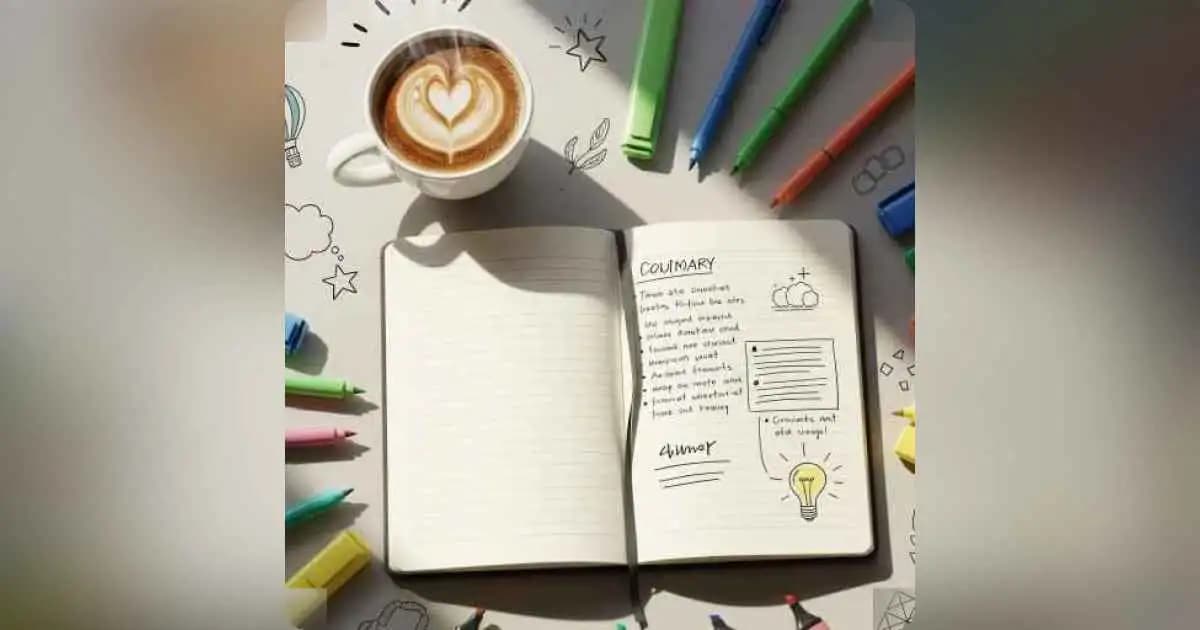
- Journaling
- Simple doodling
- Personal creative experiments
- Even how you decorate notes or messages
You don’t need technical skill to participate in this shift.
You just need to be willing to create without overthinking.
The deeper shift: from performance to expression
At its core, this trend reflects something bigger than art.
It signals a movement away from:
- Performing for approval
- Curating for validation
…and toward:
- Expressing for clarity
- Creating for personal meaning
That’s why it resonates.
Because it aligns with how many people are starting to feel in 2025 tired of perfection, and more open to authenticity.
What this says about creativity moving forward
If you zoom out, this isn’t just a passing phase.
It suggests that creativity is becoming:
- More accessible
- Less intimidating
- More integrated into daily life
People are no longer waiting to be “good enough” to create.
They’re starting where they are.
And that shift could have a long-term impact on how art, content, and communication evolve.
A quiet reflection on why this matters
When something imperfect resonates, it’s rarely about the flaw itself.
It’s about recognition.
You see something slightly uneven, and it reminds you:
Not everything has to be refined to be meaningful.
That idea extends beyond art.
It touches how people:
- Communicate
- Share experiences
- Show up online
In a digital space that often feels overly polished, imperfect art creates a small but important sense of relief.
And that’s why it’s not just trending it’s staying.
FAQs
Why is imperfect art trending right now?
Because people are becoming more drawn to content that feels real and human, especially after years of highly curated and polished visuals.
Does imperfect art mean lower quality?
Not necessarily. Many imperfect pieces are intentionally created that way to preserve emotion and authenticity.
Why do people like messy or unfinished drawings?
They reveal the process and effort behind the work, making it feel more relatable and personal.
Is this trend influenced by AI-generated content?
Yes. As AI creates more flawless images, human imperfections stand out more and feel more trustworthy.
Can beginners benefit from this trend?
Absolutely. It encourages people to create without fear of judgment, making creativity more accessible to everyone.