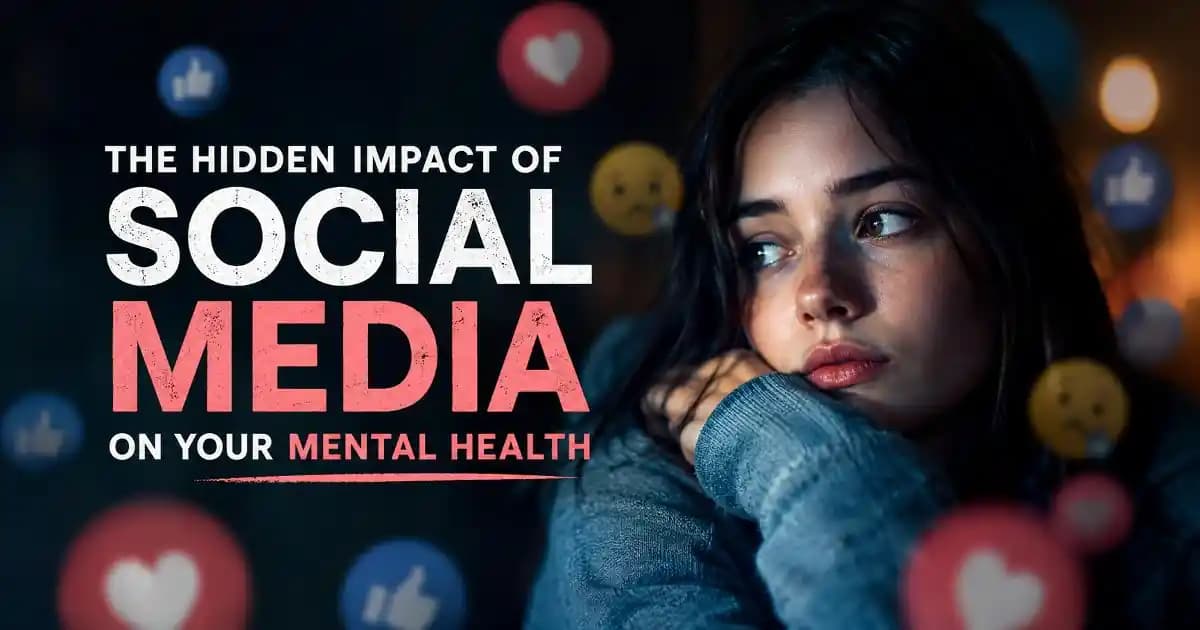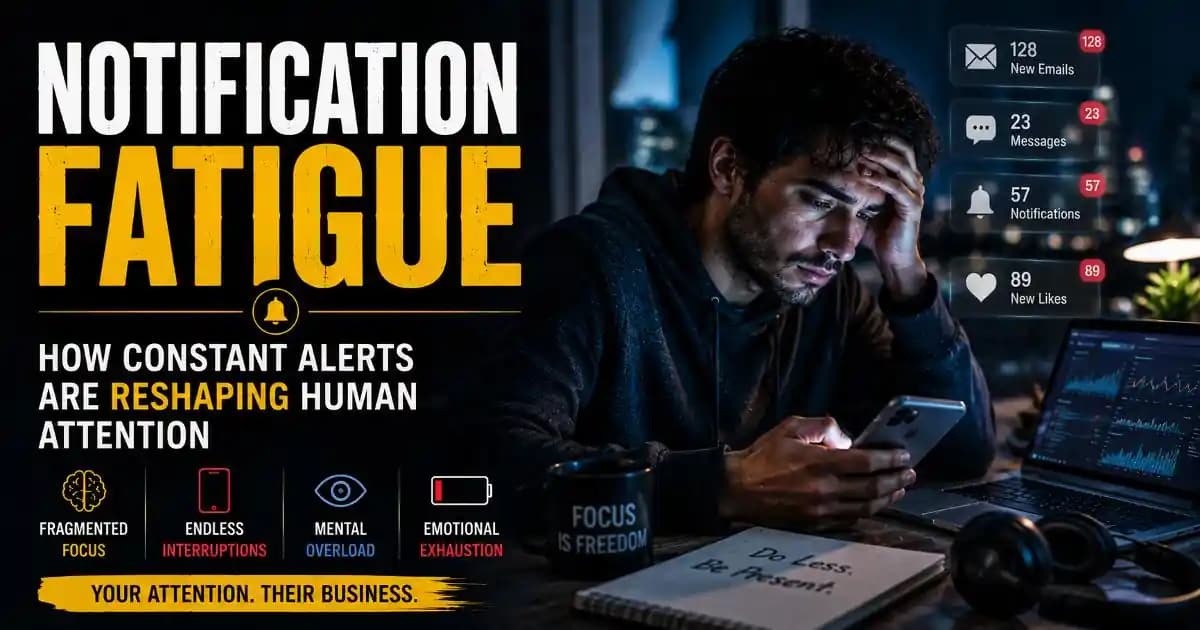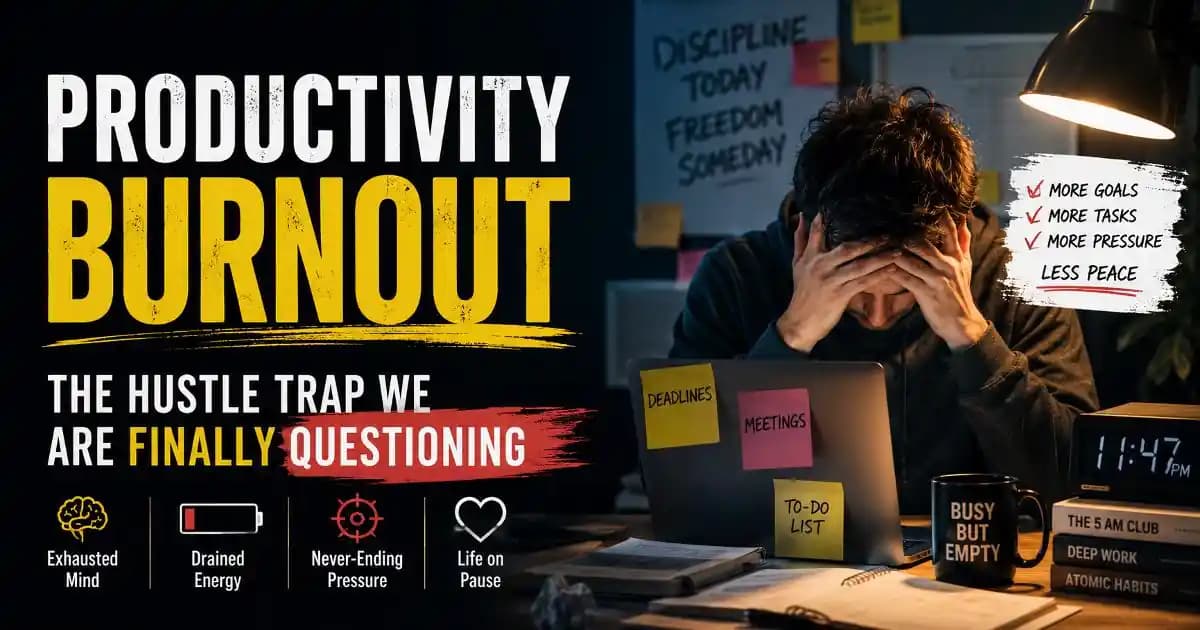




For decades, workplace success was measured almost entirely by technical competence. Degrees, certifications, and job specific expertise were considered the primary drivers of performance. But as burnout, disengagement, and Mental health strain rise across industries, that definition is quietly collapsing.
What’s replacing it is something less visible but far more predictive of sustainable performance: Emotional Intelligence.
Organizations are discovering that productivity problems are rarely technical failures. They are human failures communication breakdowns, unmanaged stress, Emotional disengagement, unresolved conflict, and a growing gap between what employees need psychologically and what work environments provide.
This is why Emotional Intelligence is no longer a “soft skill.” It is becoming a core infrastructure skill for mental health, leadership, and organizational resilience.
This article explains what Emotional Intelligence really is, why it matters now more than ever, how it connects to mental health outcomes, and how individuals and organizations can develop it intentionally.
What Is Emotional Intelligence Beyond the Buzzword?
At its core, Emotional Intelligence is the ability to recognize, understand, manage, and respond effectively to emotions both your own and those of others.
It consists of four interconnected capabilities:
- Self awareness recognizing your own emotional states and how they affect your behavior
- Self regulation managing reactions rather than being controlled by them
- Social awareness accurately perceiving others’ emotions, needs, and unspoken signals
- Relationship management navigating conflict, feedback, collaboration, and trust productively
Unlike IQ or technical skills, Emotional Intelligence is contextual and dynamic. It determines how people behave under pressure, how leaders influence morale, how teams handle disagreement, and how employees experience psychological safety.
In mental health terms, Emotional Intelligence acts as a buffer. It reduces emotional overload, prevents conflict escalation, and improves recovery from stress.
Why Emotional Intelligence Matters Now
Three major shifts are pushing Emotional Intelligence from optional to essential.
1. Work Has Become Emotionally Demanding
Remote work, constant connectivity, economic uncertainty, and blurred boundaries have dramatically increased emotional strain. Employees are not just doing tasks they are managing anxiety, isolation, ambiguity, and social complexity simultaneously.
Without Emotional Intelligence, this strain accumulates into:
- Burnout
- Quiet quitting
- Chronic stress
- Conflict avoidance or explosion
- Loss of engagement
Organizations that ignore emotional capacity pay the price in turnover, absenteeism, and underperformance.
2. Mental Health Has Moved Into the Workplace
Mental Health is no longer considered a purely personal issue. Employers are now directly affected by depression, anxiety, trauma, and emotional exhaustion in their workforce.
However, most Mental Health initiatives fail because they treat symptoms (apps, therapy benefits, awareness days) but ignore the emotional operating system people use every day.
Emotional Intelligence determines whether:
- People feel safe speaking up
- Managers notice distress early
- Teams respond with empathy or judgment
- Stress becomes manageable or destructive
It is the behavioral layer that makes Mental Health support effective or meaningless.
3. Leadership Is Being Redefined
Authority no longer comes from position alone. It comes from trust, credibility, and emotional impact.
Leaders without Emotional Intelligence create:
- Fear based cultures
- Information hoarding
- Psychological unsafety
- High turnover
Leaders with Emotional Intelligence create:
- Stability during uncertainty
- High trust teams
- Open communication
- Faster problem solving
In unstable environments, emotional competence becomes a leadership survival skill.
How Emotional Intelligence Supports Mental Health
Emotional Intelligence and mental health are deeply connected not conceptually, but neurologically and behaviorally.
Emotional Intelligence Prevents Emotional Accumulation
Unrecognized emotions don’t disappear; they accumulate. Over time, this leads to chronic stress responses, irritability, disengagement, or exhaustion.
Self awareness interrupts this cycle by identifying emotional signals early, before they become symptoms.
It Enables Healthy Stress Regulation
People with Emotional Intelligence can:
- Notice when stress is rising
- Pause before reacting
- Choose healthier responses
- Recover faster after emotional strain
This reduces cortisol overload, improves focus, and protects long term Mental Health.
It Improves Social Safety
Humans are social nervous systems. Feeling emotionally safe at work directly affects Mental Health.
Emotional Intelligence allows teams to:
- Navigate disagreement without threat
- Give feedback without humiliation
- Support without overstepping
- Respect boundaries
This creates psychological safety a proven predictor of mental well being and performance.
Why Emotional Intelligence Is Now a Strategic Business Asset
Organizations increasingly treat Emotional Intelligence not as a wellness initiative, but as a risk management and performance tool.
Because it directly impacts:
- Turnover emotionally intelligent environments retain talent
- Conflict costs fewer escalations, HR cases, and legal risks
- Decision quality reduced emotional bias and impulsive choices
- Customer experience emotionally skilled employees handle complexity better
- Change resilience people adapt better when emotions are managed well
In other words, Emotional Intelligence is becoming an organizational immune system.
How Individuals Can Develop Emotional Intelligence
Unlike personality traits, Emotional Intelligence is trainable.
Practical development involves:
- Reflection noticing emotional patterns, triggers, and reactions
- Language learning to name emotions accurately (beyond “stressed” or “fine”)
- Pause building response space between stimulus and reaction
- Perspective taking consciously considering others’ emotional contexts
- Feedback seeking external input on interpersonal impact
Emotional Intelligence improves through deliberate practice, not passive awareness.
How Organizations Can Build Emotionally Intelligent Cultures
Culture is the accumulation of emotional behavior norms.
Organizations that succeed do three things:
1. They Train Emotional Skills Explicitly
They treat Emotional Intelligence as a professional skill, not a personal trait.
2. They Model It at Leadership Level
Employees copy emotional behavior from the top not from policy documents.
3. They Reward Emotionally Healthy Behavior
Performance systems reinforce what truly matters. If empathy, listening, and regulation aren’t valued, they won’t grow.
Future Implications: Where This Is Headed
Looking forward, Emotional Intelligence will increasingly shape:
- Leadership selection and promotion criteria
- Mental health prevention strategies
- AI human interaction design
- Workplace safety and compliance standards
- Organizational reputation and employer branding
As automation replaces technical tasks, Emotional Intelligence becomes one of the last uniquely human advantages.
FAQ
Q1: Is Emotional Intelligence more important than technical skills?
No but it determines whether technical skills are usable, sustainable, and effectively applied.
Q2: Can Emotional Intelligence be measured?
Yes. Assessments can evaluate emotional awareness, regulation, empathy, and interpersonal effectiveness.
Q3: Does Emotional Intelligence reduce workplace stress?
Yes. It improves stress management, communication, and emotional recovery.
Q4: Is Emotional Intelligence relevant outside leadership roles?
Absolutely. It affects teamwork, conflict resolution, customer interaction, and personal resilience at every level.
Q5: What should professionals do next?
Treat Emotional Intelligence as a core career skill train it, practice it, and include it in professional development plans.
Final Thought
The future of work is not just digital it is emotional.
Organizations that understand this will not only outperform others but will build workplaces where people can thrive psychologically, socially, and professionally.
Emotional Intelligence is no longer a soft skill. It is the new hard advantage.