


The psychology behind 2026 doomsday predictions gaining momentum
2026 doomsday predictions are dominating online searches and social feeds not because of new evidence, but because they sit at the intersection of fear, technology, and real-world instability. From viral videos warning of global war to recycled prophecies forecasting natural collapse, the idea that humanity faces an endpoint in 2026 has found fertile ground in a tense global environment.
Search interest in apocalyptic timelines spikes during periods of uncertainty. Wars in Europe and the Middle East, economic volatility, climate disasters, and rapid advances in artificial intelligence have created a background hum of anxiety. Against this backdrop, a fixed year like 2026 becomes an emotional anchor an imagined deadline that gives shape to otherwise overwhelming fears.
This pattern is not new, but the speed and scale of its spread are unprecedented.
Why prophecies resurface during periods of instability
Modern doomsday narratives rarely emerge from new revelations. Instead, they recycle older mystical claims and reinterpret them through contemporary fears. Figures such as Baba Vanga and Nostradamus are repeatedly invoked because their statements were vague, symbolic, and never formally documented. That ambiguity allows modern interpreters to retrofit predictions to current events.
Several forces drive this cycle:
- Geopolitical stress: Ongoing conflicts and military posturing make predictions of global war feel plausible.
- Technological disruption: Rapid AI adoption creates uncertainty about jobs, power, and control.
- Climate anxiety: Extreme weather events reinforce narratives of environmental collapse.
- Economic fragility: Market corrections and debt fears amplify end-of-system thinking.
Together, these conditions give emotional credibility to claims that would otherwise be dismissed.
How social platforms amplify 2026 doomsday predictions
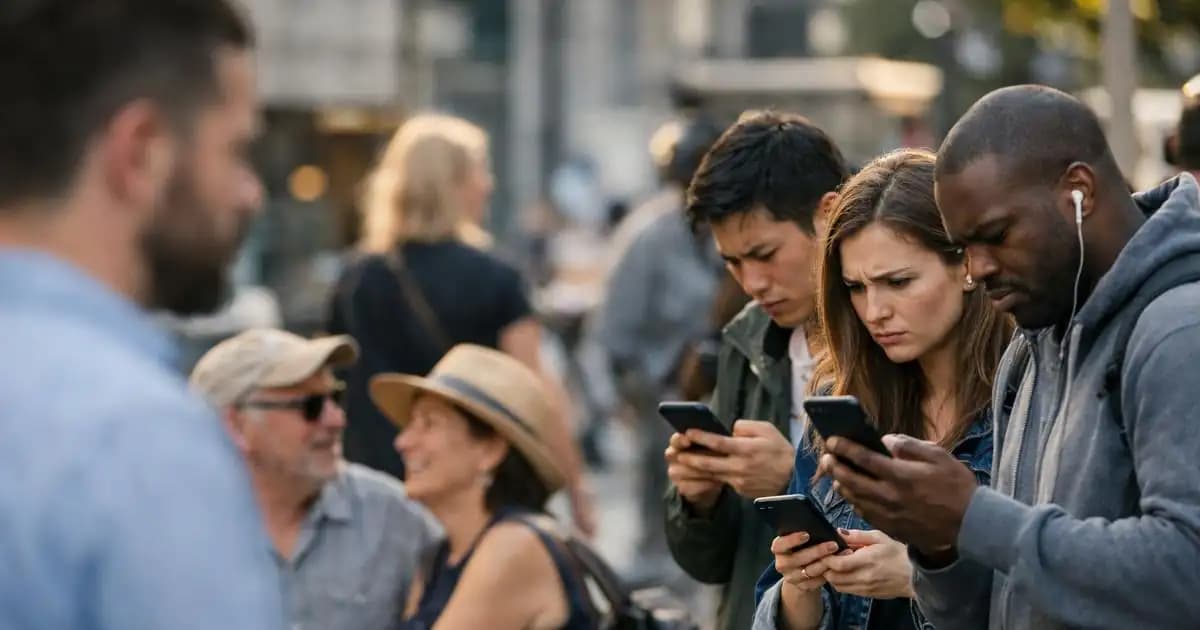
The modern fear economy thrives on engagement. Content that provokes shock or dread spreads faster than neutral analysis, and platform algorithms are designed to reward exactly that behavior. Videos predicting catastrophe generate longer watch times, higher shares, and stronger emotional reactionssignals that push them further into recommendation systems.
Psychological research shows that when people see a claim shared widely, it gains perceived legitimacy. This “social proof” effect makes speculative threats feel real, even without evidence. As a result, 2026 doomsday predictions travel farther and faster than sober assessments from scientists or historians.
The structure of short-form video intensifies the problem. Complex global risks are reduced to dramatic sound bites, stripping away nuance while preserving fear.
The appeal of a deadline in uncertain times
Humans are uncomfortable with open-ended danger. Climate change, geopolitical rivalry, and technological disruption are slow-moving, complex threats without clear timelines. A single year like 2026 offers something psychologically attractive: closure.
Mental health experts describe this as a coping mechanism. By compressing diffuse anxiety into a specific date, people gain a sense of control. The fear becomes shareable, discussable, and strangely comforting in its certainty. This is why apocalyptic Narratives often flourish during social upheaval rather than stability.
Importantly, belief does not require full conviction. Many people who share such content do not truly expect the world to end; they participate because the narrative resonates emotionally.
Historical patterns of failed apocalyptic forecasts
History is crowded with confident predictions that never materialized. At the turn of the millennium, the Y2K scare warned of technological collapse. In 2012, interpretations of the Mayan calendar fueled global anxiety. Each time, systems adapted, institutions responded, and daily life continued.
These precedents matter because they reveal a consistent pattern:
- A real risk exists (technology, calendars, geopolitics).
- That risk is exaggerated into an absolute endpoint.
- Society prepares, adapts, and moves forward.
Seen through this lens, 2026 doomsday predictions are less about the future and more about the present moment’s emotional climate.
What genuine risks 2026 actually represents
Rejecting apocalyptic thinking does not mean dismissing real challenges. The coming years do carry measurable risks that deserve attention:
- Escalating regional conflicts with global economic consequences
- Climate volatility affecting food and water security
- Artificial intelligence governance gaps impacting labor and security
- Financial instability driven by debt, inflation, and demographic shifts
These are systemic pressures, not extinction-level events. Addressing them requires policy, cooperation, and innovationnot prophecy.
The role of media literacy in resisting fear cycles
One reason 2026 narratives gain traction is declining trust in institutions combined with information overload. Differentiating between evidence-based analysis and emotionally charged speculation has become harder.
Practical safeguards include:
- Checking for primary sources rather than secondhand interpretations
- Noticing emotional language designed to provoke urgency
- Comparing claims with historical data and expert consensus
Cultivating skepticism is not cynicism; it is a survival skill in an algorithm-driven information ecosystem.
Why the world is unlikely to end in 2026
There is no scientific, historical, or strategic framework that supports a definitive endpoint in 2026. What exists instead is a convergence of visible stressors that feel unprecedented to those Living through them.
Human societies have endured pandemics, world wars, technological revolutions, and environmental shocks before. Each era produced its own end-time narratives. None were correct.
The more realistic outlook is continued turbulence paired with adaptationmessy, uneven, but ongoing.
Frequently Asked Questions
Are 2026 doomsday predictions based on real evidence?
No. They rely on reinterpretations of vague prophecies, speculation, and emotional resonance rather than verifiable data.
Why do people believe apocalyptic timelines so easily?
Specific dates offer psychological comfort by simplifying complex fears into a single narrative.
Has any past doomsday prediction come true?
No major predicted global end date in recorded history has materialized.
Does increased global conflict make 2026 uniquely dangerous?
It increases risk, but not to an extinction-level scenario. History shows resilience and adaptation.
How should readers approach viral end-of-world claims?
With skepticism, context, and reliance on credible scientific and historical sources.