


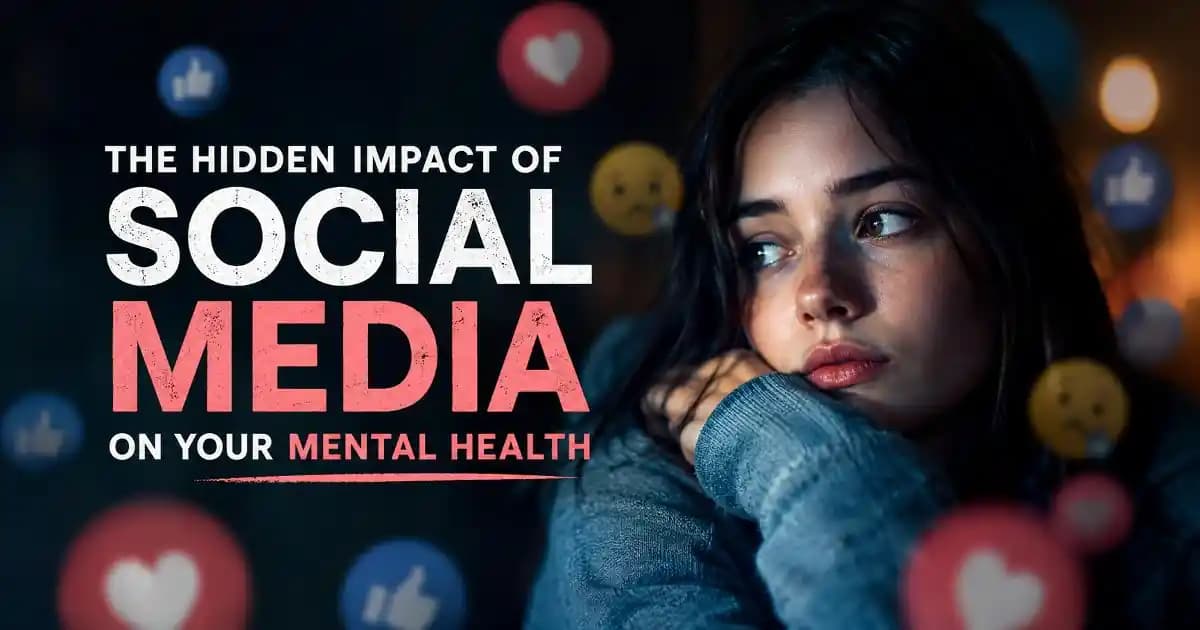
Social media mental health effects are often difficult to notice because they rarely arrive as a dramatic crisis. Instead, they appear through small emotional shifts. You might close an app feeling strangely tired, compare your life to people you barely know, or wonder why your mood changes after scrolling for twenty minutes. These experiences have become so normal that many people stop questioning them.
Modern life is deeply connected to digital spaces. Messages arrive constantly, trends change every day, and online conversations never really end. Being connected can feel comforting, but it can also leave people emotionally overstimulated without realizing it.
Why the Emotional Impact Often Goes Unnoticed
Most people don't wake up and think social media is affecting their emotions. The changes happen gradually. A person may become more distracted, less present, or strangely dissatisfied without understanding why.
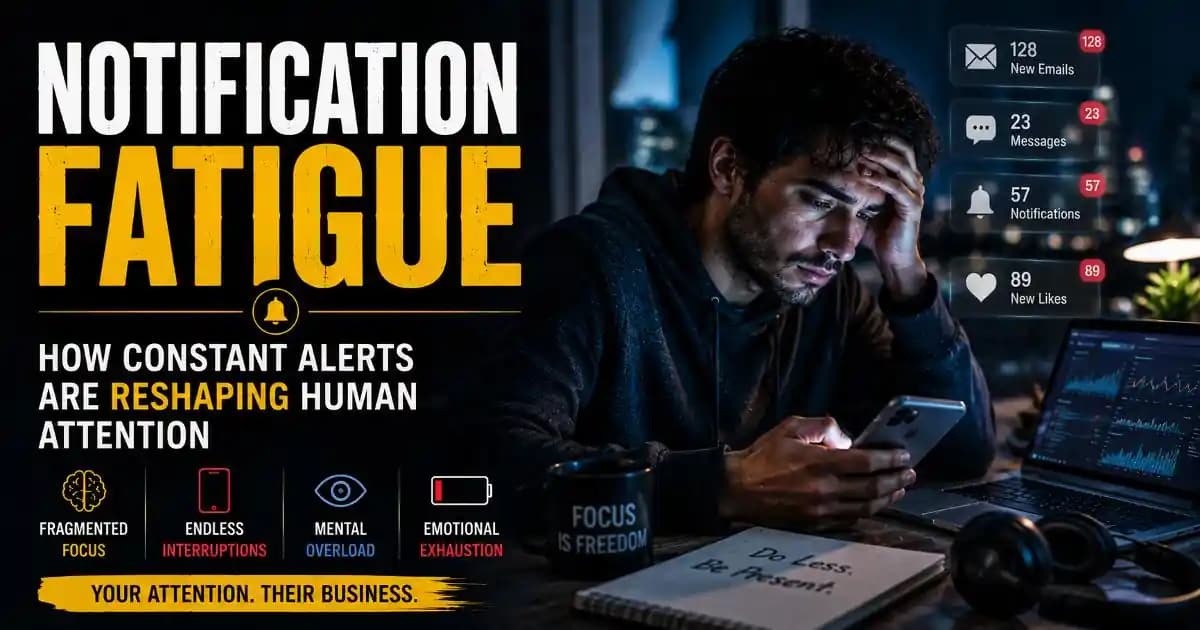
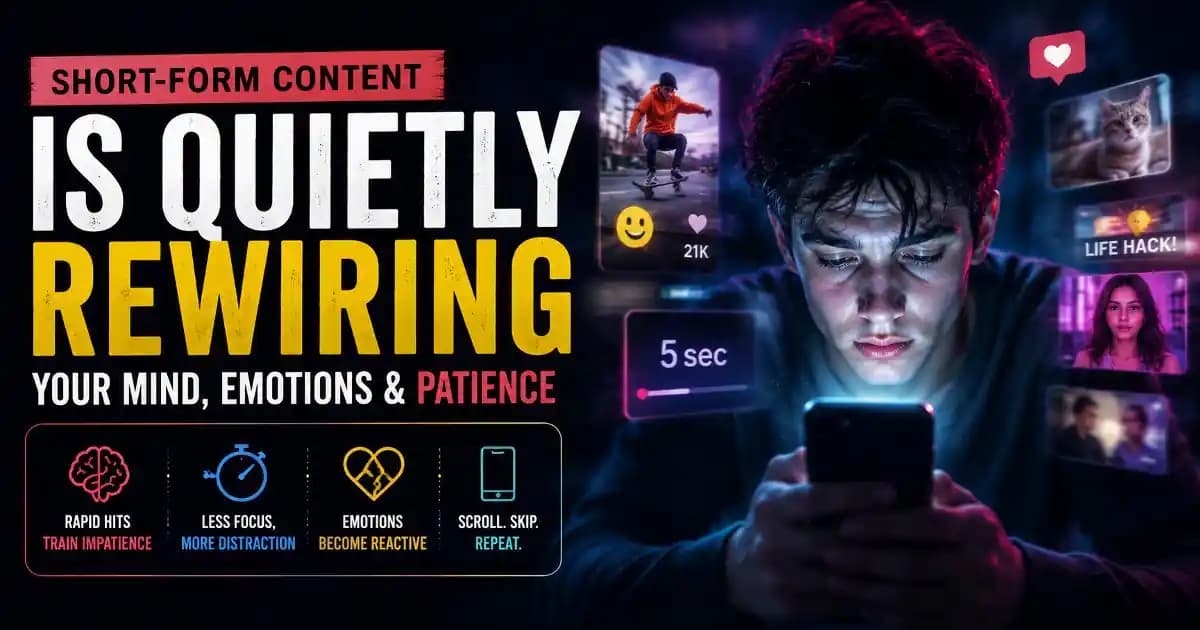
The attention economy rewards whatever keeps people engaged. That means algorithms constantly present emotional content, exciting stories, beautiful lifestyles, and endless opinions. Human emotions were never designed to process hundreds of emotional signals every hour.
This creates a form of digital overstimulation. The mind becomes busy, but not necessarily fulfilled.
Many people experience low-level stress, attention fatigue, and emotional exhaustion without connecting those feelings to their online habits.
Comparison Has Become Part of Everyday Life
Comparison is not new. Human beings have always compared themselves to others. But social media changed the scale of comparison.
In previous generations, people mostly compared themselves to neighbors, classmates, or coworkers. Now they compare themselves to influencers, creators, entrepreneurs, athletes, and strangers whose lives are carefully edited.
Someone else's vacation, relationship, body, or success can quietly trigger feelings of inadequacy. Even people who understand that online content is curated can still feel emotionally affected by it.
The result is subtle dissatisfaction. People begin questioning their own progress, appearance, relationships, or career paths without realizing that their expectations have shifted.
Validation Systems Shape Emotions
Likes, views, comments, and shares create powerful feedback loops. For creators and regular users alike, digital validation can become emotionally significant.
Sometimes people open an app not because they are curious, but because they want reassurance. A message, a reaction, or a notification can temporarily provide comfort.
Over time, external validation may begin replacing internal satisfaction. Mood starts depending on engagement instead of personal experience.
This doesn't mean social media is harmful by itself. It means human psychology naturally responds to rewards and recognition. The challenge is maintaining self-awareness inside systems designed to capture attention.
Loneliness Can Exist Alongside Constant Connection
Modern loneliness doesn't always look like isolation.
Someone may spend hours talking to people online and still feel emotionally disconnected. They may know hundreds of people digitally but struggle to feel deeply understood.
Digital communication offers convenience, but convenience isn't always intimacy. Sending reactions and short messages can create connection, yet meaningful conversations still require emotional presence.
This explains why many people experience modern loneliness despite always being connected.
Online relationships can be valuable, but emotional closeness usually grows through trust, vulnerability, and shared experiences rather than endless updates.
The Rise of Emotional Burnout
Emotional burnout is often associated with work, but digital life contributes to it too.
People consume news, opinions, personal stories, trends, and entertainment without breaks. Every day brings new controversies, viral moments, and information overload.
The brain never fully rests.
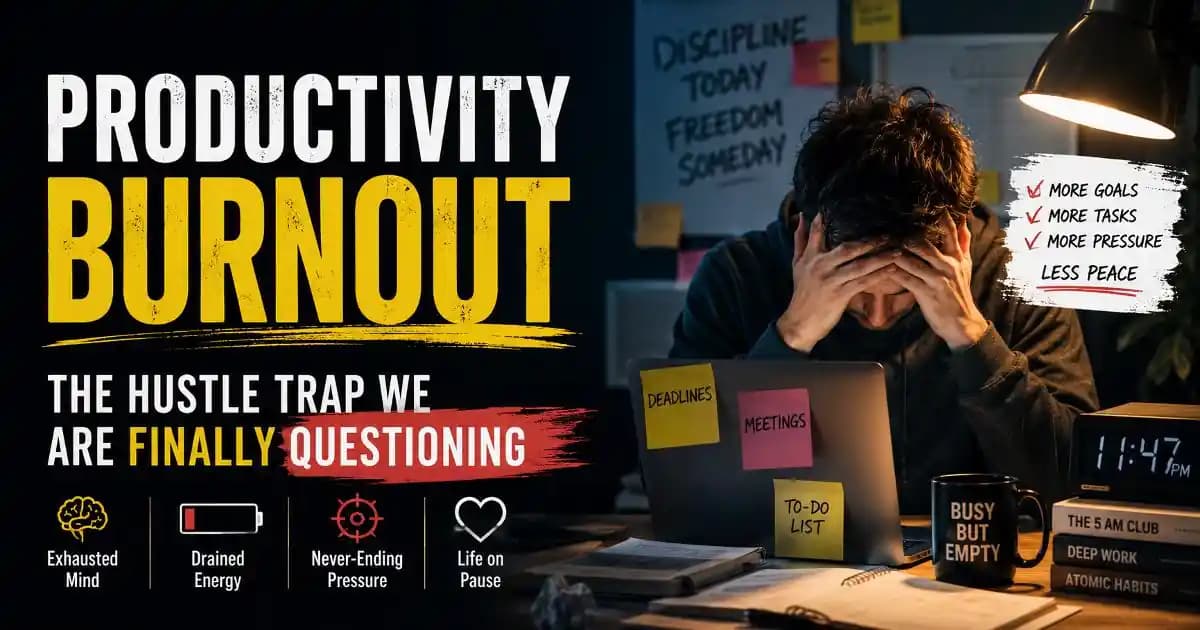
This constant stimulation can create emotional numbness. Instead of feeling deeply, people sometimes begin feeling vaguely exhausted. They lose focus, motivation, and emotional energy.
Ironically, many respond by scrolling more, hoping to relax, only to become even more mentally overwhelmed.
Identity Feels More Complicated in the AI Era
Social media doesn't only influence emotions. It influences identity.
People now manage personal brands, online personas, and multiple versions of themselves across platforms. Creator culture encourages visibility, while AI tools make content creation easier than ever.
As a result, many people quietly wonder who they really are outside of algorithms and audiences.
Identity confusion isn't always dramatic. Sometimes it appears through simple questions.
Am I sharing because I genuinely enjoy this moment, or because I want others to see it?
Am I resting because I need rest, or because productivity culture tells me I earned it?
These questions reflect broader changes happening across digital culture.
Awareness Changes the Relationship With Technology
Awareness doesn't require deleting every app or escaping modern life.
It begins with noticing emotional patterns.
Paying attention to how certain content affects mood can reveal surprising truths. Some accounts inspire growth. Others create anxiety. Some conversations leave people energized, while others quietly drain emotional energy.
Small habits matter. Pausing before opening an app, creating intentional moments of silence, and protecting attention can support emotional awareness.
Many people also explore digital detox practices, emotional intelligence, and reflective growth to reconnect with themselves outside constant stimulation.
Social Media Is Not the Enemy
Social media itself isn't the problem. It provides creativity, communities, friendships, and opportunities that previous generations never experienced.
But human beings are still adapting to environments built around endless information and constant visibility.
Understanding social media mental health effects is not about fear. It's about recognizing that emotional wellbeing depends on awareness, boundaries, and intentional habits.
The quiet emotional shifts matter because they shape how people experience themselves and the world around them.
Sometimes the healthiest question isn't whether social media is good or bad.
It's whether our digital habits are helping us feel more connected to life or simply more connected to screens.