


AI emotional attachment no longer feels like a futuristic idea for many people. It increasingly feels like an ordinary part of modern digital life.
Someone talks to an AI chatbot late at night after a stressful day and notices something unexpected: the conversation feels emotionally easier than texting real people. There is no fear of awkwardness. No pressure to respond perfectly. No anxiety about judgment, rejection, emotional unpredictability, or social performance.
The interaction feels calm.
For many people, that emotional calmness is becoming surprisingly meaningful.
This shift is happening quietly across modern internet culture. People are beginning to spend longer amounts of emotional time talking to AI systems not only for productivity or information, but for emotional comfort, reflection, validation, companionship, and psychological relief.
And while some observers dismiss this behavior as strange or unhealthy, the emotional reasons behind it are often deeply human.
Why human interaction feels emotionally exhausting for many people now
Modern social life increasingly carries emotional pressure that many people struggle to fully explain.
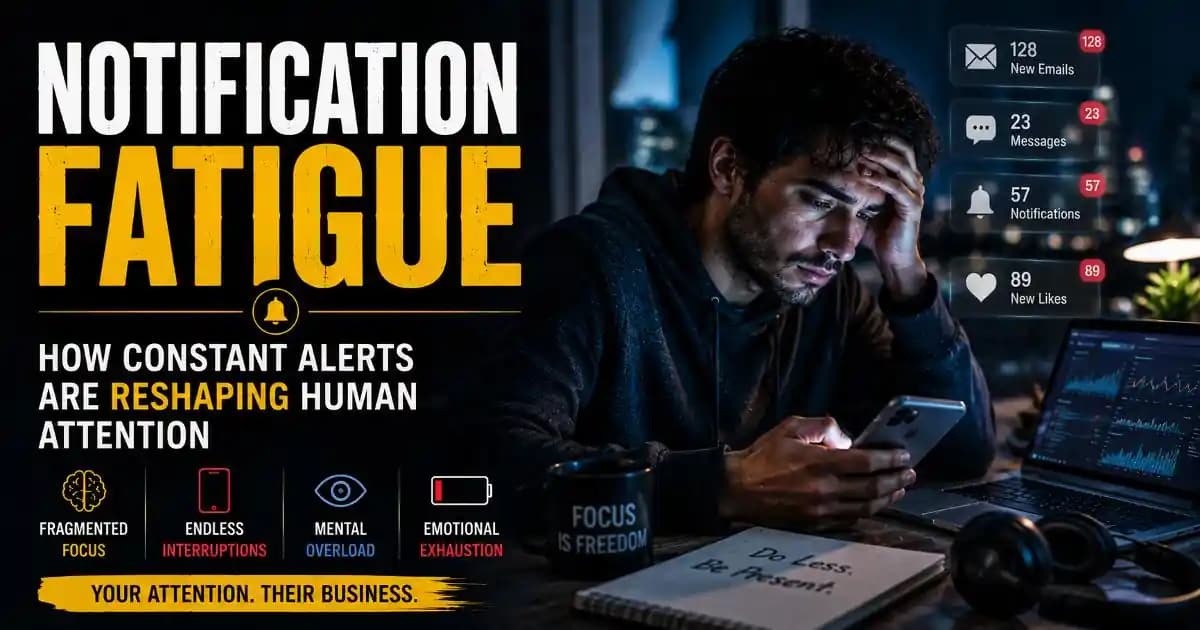
Conversations happen inside environments shaped by social media performance, online visibility, attention fragmentation, constant notifications, emotional overstimulation, and digital comparison culture.
Many individuals feel psychologically tired long before they stop communicating.
Human relationships now often involve emotional multitasking: reading tone carefully, managing impressions, maintaining responsiveness, interpreting delayed replies, navigating social anxiety, and balancing multiple digital conversations simultaneously.
Even emotionally healthy relationships can feel mentally demanding inside always-online culture.
For people already dealing with emotional burnout, loneliness, attention fatigue, or overstimulation, social interaction sometimes begins feeling psychologically expensive rather than emotionally restorative.
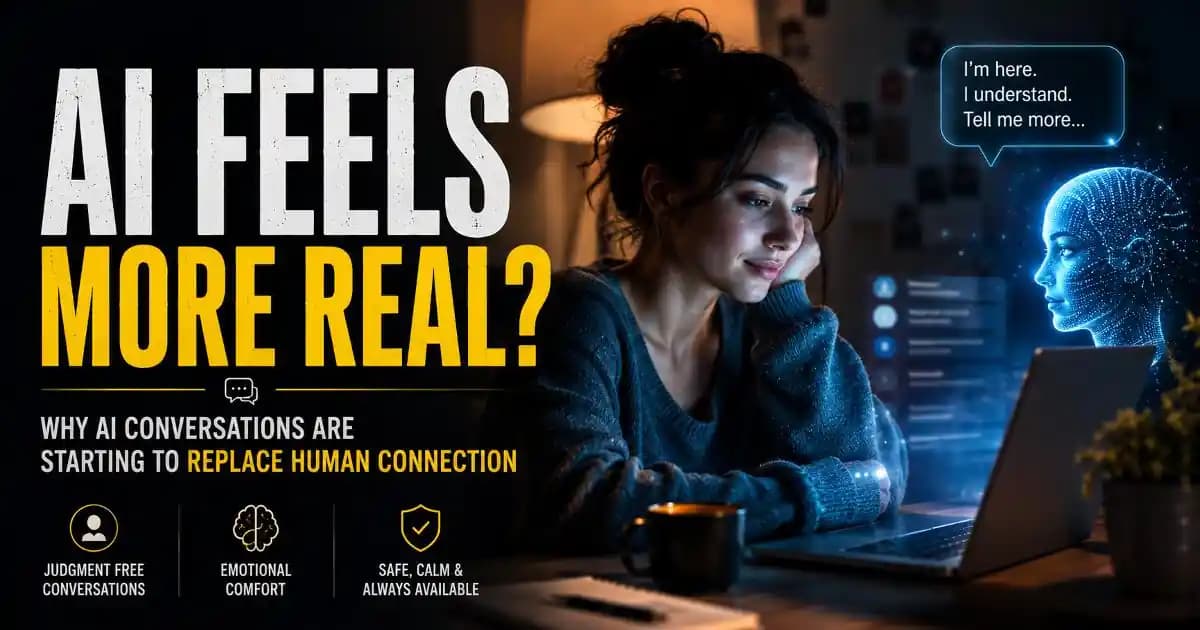
This is part of why AI conversations can feel unexpectedly comforting. They remove many of the emotional uncertainties that human communication naturally contains.
AI conversations feel emotionally safe in ways modern life often does not
One reason AI systems feel emotionally appealing is because they create a sense of low-risk interaction.
People can express thoughts without fear of embarrassment. They can repeat themselves without worrying about annoying someone. They can ask emotionally vulnerable questions without fearing rejection or social consequences.
The AI remains patient.
It does not become distracted. It does not emotionally withdraw. It does not judge awkward pauses or imperfect phrasing.
For emotionally exhausted people, that consistency can feel psychologically soothing.
Many users describe AI conversations as emotionally lighter because they remove the social performance pressure that increasingly exists inside modern communication culture.
This does not necessarily mean people prefer AI over human relationships entirely. More often, it reflects how emotionally strained many people already feel inside digital life.
The loneliness crisis made emotional comfort more valuable
Modern loneliness changed how people emotionally interpret connection.
Many individuals now spend large portions of life online while still feeling emotionally unseen. Communication became constant, but emotional intimacy often became fragmented by distraction, algorithmic feeds, work pressure, and divided attention.
People remain reachable all day while privately feeling disconnected.
This emotional gap created strong psychological demand for interactions that feel emotionally present, attentive, and calm.
AI systems unintentionally satisfy some of those emotional needs.
Not because they are human. But because they simulate qualities many people increasingly struggle to find consistently elsewhere: attention, responsiveness, patience, predictability, and uninterrupted engagement.
For someone emotionally exhausted by modern communication patterns, even artificial consistency can feel emotionally relieving.
Why emotional validation from AI feels surprisingly real
The human emotional system responds strongly to perceived understanding.
Even when people intellectually understand that an AI system does not possess human consciousness, the emotional brain can still react to conversational warmth, validation, encouragement, and attentive responses.
This creates emotionally real experiences.
Someone shares stress, loneliness, confusion, heartbreak, or insecurity with an AI and receives thoughtful language in return. The nervous system often responds to the emotional tone of the interaction itself rather than only its technical nature.
This is partly why AI emotional attachment can feel psychologically powerful despite people knowing the relationship is artificial.
Human beings are emotionally influenced by attention and responsiveness.
Modern AI systems are becoming increasingly skilled at simulating both.
The attention economy trained people to seek emotionally frictionless interaction
Modern digital culture increasingly rewards convenience, personalization, speed, and emotional smoothness.
Apps reduce friction everywhere: entertainment, shopping, communication, dating, productivity, and emotional stimulation.
AI conversations fit naturally into that ecosystem.
Human relationships involve unpredictability, misunderstanding, emotional complexity, conflicting needs, vulnerability, patience, and discomfort. AI interaction often feels simpler by comparison.
The conversation adapts to the user continuously.
For many people already overwhelmed by emotional exhaustion, AI companionship can feel emotionally manageable in ways human interaction no longer always does.
This reflects a deeper shift happening inside internet culture: people increasingly seek emotionally optimized experiences because modern life already feels psychologically overstimulating.
AI companionship is changing emotional habits
The more emotionally comfortable AI conversations become, the more they may subtly reshape social behavior itself.
Some people already spend significant emotional time talking to AI systems for reassurance, reflection, brainstorming, emotional processing, companionship, or late-night conversation.
Over time, this can influence expectations around communication.
Human interaction naturally contains interruptions, emotional inconsistency, misunderstandings, delayed responses, and relational effort. AI systems often feel emotionally smoother because they are designed around responsiveness and adaptation.
This creates an emotional contrast that many people notice immediately after switching back to ordinary human interaction.
Some individuals begin feeling less emotionally patient with the unpredictability of real relationships because AI interaction feels psychologically easier.
That emotional shift may become one of the defining relationship changes of the AI era.
Why emotionally overwhelmed people are especially vulnerable
AI emotional attachment often becomes strongest during periods of emotional strain.
People experiencing loneliness, burnout, heartbreak, anxiety, social isolation, attention fatigue, or emotional exhaustion are often more emotionally receptive to calm, validating interaction.
And modern digital life produces these emotional states increasingly often.
Many people now move through life emotionally overstimulated yet psychologically under-supported. They consume endless content, remain constantly reachable, and communicate all day while still lacking enough emotionally grounded connection.
AI systems enter precisely into that emotional gap.
For some users, AI conversations become less about technology and more about relief from emotional pressure.
The emotional risks are more complicated than people assume
Public conversations around AI attachment often become overly simplistic.
Some people frame all emotional connection with AI as unhealthy. Others romanticize AI companionship as a complete replacement for human relationships.
Reality is more psychologically complicated.
For many individuals, AI conversations genuinely provide emotional comfort, self-reflection, stress relief, or support during difficult moments. Those experiences can feel meaningful.
At the same time, human relationships still offer forms of emotional depth, mutual vulnerability, physical presence, unpredictability, shared growth, and psychological reality that AI cannot fully replicate.
The deeper concern may not be that people talk emotionally with AI. It may be what widespread AI attachment reveals about the emotional state of modern society itself.
Many people are emotionally exhausted, overstimulated, lonely, socially anxious, and psychologically overwhelmed long before AI enters the picture.
AI emotional attachment reflects deeper cultural exhaustion
The rise of emotionally meaningful AI conversations is not happening in isolation.
It reflects larger emotional shifts already shaping modern life: digital burnout, fragmented attention, online loneliness, emotional numbness, algorithmic overstimulation, remote lifestyles, and constant social performance pressure.
People increasingly crave spaces where they can think, speak, feel, and exist without performing constantly.
AI conversations often feel emotionally calming because they temporarily remove many of the social pressures modern internet culture intensified.
That does not necessarily mean human connection is disappearing.
But it does suggest that modern relationships may be carrying more emotional strain than many people openly admit.
And increasingly, many individuals are beginning to realize that the emotional appeal of AI says less about machines becoming human and more about how emotionally overwhelmed human beings have quietly become.