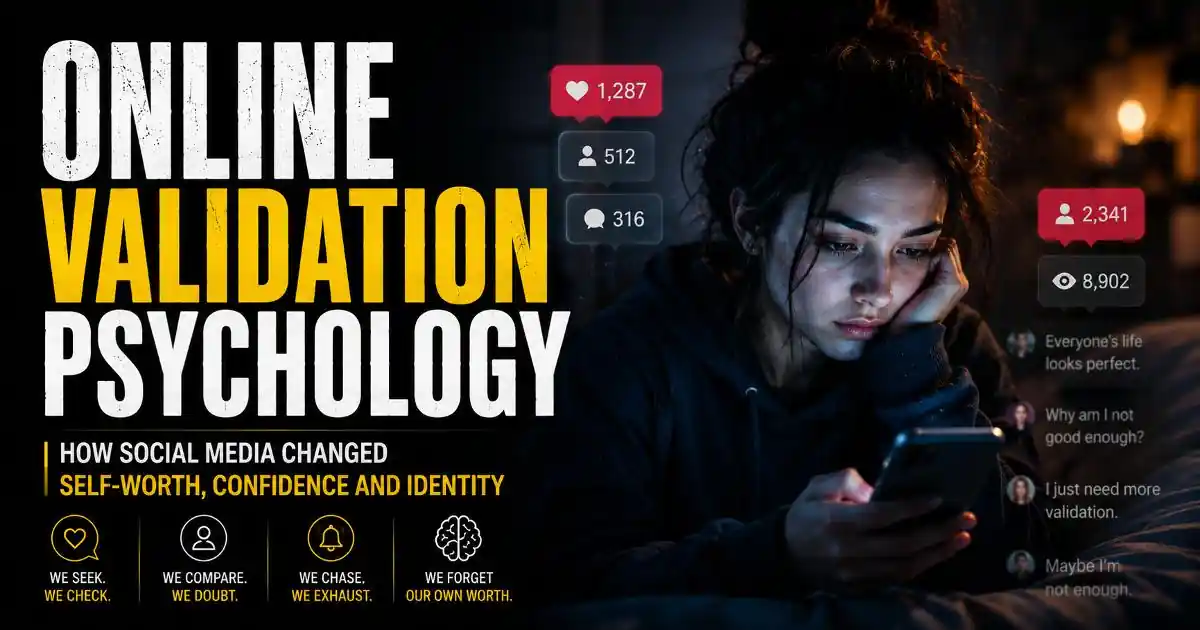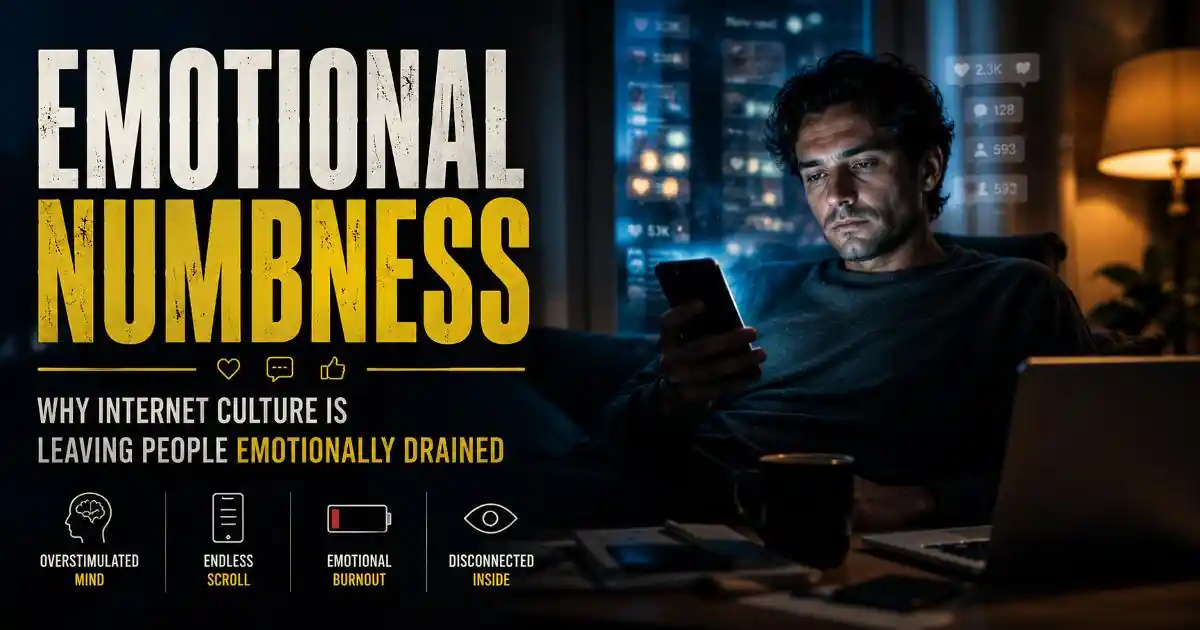


Why do people feel lonely when their phones are constantly lighting up with messages, notifications, and social updates? It is a strange contradiction of modern life: someone can spend an entire day communicating with others and still go to bed feeling emotionally disconnected. Their conversations never stop, their social feeds are full of familiar faces, and yet something meaningful seems to be missing.
Loneliness is no longer necessarily about having nobody around. Sometimes it is about having people everywhere but feeling that very few of them genuinely understand what is happening inside you. A person might exchange jokes in a group chat, respond to comments, attend online meetings, and watch friends share their everyday experiences without finding a moment in which they can speak honestly about their own.
This is one of the quieter emotional contradictions of the digital age. We have more ways to reach one another than ever before, but access to communication does not automatically create emotional closeness. Being available is different from being understood. And being noticed is not always the same as being known.
Why Do People Feel Lonely Despite Constant Digital Connection?
Human connection involves more than exchanging information. It also involves feeling accepted, understood, remembered, and emotionally safe. A quick message can confirm that someone is around, but it may not provide the deeper reassurance that comes from a meaningful conversation.
Think about the difference between receiving twenty notifications and having one conversation where someone genuinely listens. The notifications create activity. The conversation creates a sense of connection. Both involve communication, but their emotional effects can be very different.
Digital platforms make it easy to maintain contact with many people simultaneously. However, most interactions happen in short fragments. Someone sends a reaction, another person replies with an emoji, and a conversation disappears beneath newer messages. These exchanges are not necessarily meaningless. They can maintain friendships and provide moments of enjoyment. The problem arises when fragmented communication becomes the main substitute for deeper interaction.
A person may therefore have an active social life online without having enough emotional space to express uncertainty, sadness, disappointment, or personal struggles. Their communication network remains busy, while their emotional needs remain unanswered.
The Difference Between Being Connected and Feeling Understood
There is a particular comfort in talking to someone without feeling the need to perform. You can explain something imperfectly, admit that you are struggling, or sit quietly without worrying about how you appear. These moments create emotional security because the relationship does not depend entirely on being entertaining, successful, or positive.
Much of online communication works differently. People often present selected parts of their lives: achievements, celebrations, attractive photographs, interesting experiences, and carefully worded opinions. Even ordinary updates can become small acts of self-presentation. Over time, conversations may revolve around what people are doing rather than what they are experiencing internally.
This creates a subtle distance. Friends might know where someone travelled last month, what they purchased, and what they watched over the weekend, yet have little understanding of what has been worrying them lately.
Emotional closeness develops when people feel comfortable revealing more than the polished version of themselves. Without that openness, relationships can remain socially active but emotionally limited.
How Social Media Can Make Loneliness Feel More Noticeable
Social media does not create every experience of loneliness, and it can genuinely help people maintain friendships, discover supportive communities, and reconnect with others. However, the way social platforms present human experiences can influence how people interpret their own lives.
Imagine opening Instagram after an exhausting day. Your feed shows friends attending celebrations, couples enjoying weekends together, colleagues announcing achievements, and creators sharing apparently effortless routines. Nothing about these posts necessarily means those people are happier or more fulfilled than you. Yet the continuous display of other people's visible moments can make your own ordinary experiences feel unusually empty.
This is where social comparison becomes emotionally complicated. People compare their private experiences, including their doubts and difficult moments, with other people's selectively shared highlights. The comparison is rarely balanced because one side contains the full reality of a person's life while the other contains carefully chosen fragments.
There is also the feeling of watching social experiences happen without participating in them. Seeing photographs from a gathering you were not invited to, noticing conversations you cannot follow, or repeatedly encountering other people's milestones can create a sense of exclusion. Even when nobody intended to hurt you, the experience can still feel personal.
For some people, scrolling becomes a way to manage uncomfortable feelings. It offers distraction, stimulation, and a temporary sense of company. But when the phone is put down, the original feeling may return. The activity has occupied attention without necessarily addressing the underlying need for connection.
Why Online Conversations Sometimes Feel Emotionally Empty
Digital communication is convenient partly because it removes many demands of traditional conversation. People can respond whenever they have time, send a short message between responsibilities, and maintain contact across different schedules and distances.
That convenience also changes the rhythm of relationships. A message might remain unanswered for hours. Someone may read a reply while doing something else. A conversation that once required attention can become another item in an already crowded notification stream.
Delayed replies do not automatically mean rejection or a lack of affection. People work, rest, care for families, and manage responsibilities. But when communication repeatedly feels rushed or emotionally unavailable, someone who already feels disconnected may begin questioning their importance in other people's lives.
Another difficulty is that text messages often lack the emotional information people naturally receive through facial expressions, voice, pauses, and physical presence. A short reply can appear cold even when the sender is simply busy. An ordinary misunderstanding can grow because both people interpret messages through their own expectations and emotional state.
This does not make digital relationships less real. It means that maintaining emotional closeness requires more than keeping a conversation technically active.
The Quiet Pressure to Appear Happy and Socially Fulfilled
Online culture often rewards visibility. People receive reactions when they share interesting experiences, attractive photographs, achievements, and entertaining opinions. These responses can feel reassuring, especially when someone wants to feel noticed or included.
However, visibility can gradually become confused with emotional validation. A post receives fewer reactions than expected, a photograph attracts little attention, or a message does not receive the response someone hoped for. These situations can trigger questions that go beyond the original interaction: Am I interesting enough? Do people care? Am I being left behind?
Not everyone experiences these thoughts, and an occasional disappointment online should not be treated as a psychological problem. But repeated dependence on external reactions can make self-worth feel increasingly connected to unpredictable online feedback.
The pressure to appear happy creates another layer of emotional distance. People may hesitate to share difficult experiences because their online identity has become associated with confidence, humour, productivity, or success. They continue presenting the version of themselves that receives approval while keeping more complicated feelings private.
Eventually, the gap between public presentation and private experience can become tiring. Someone may feel surrounded by people who appreciate their online personality but remain uncertain whether those people would understand their less polished reality.
Can Constant Digital Stimulation Lead to Emotional Fatigue?
Our attention moves rapidly between messages, videos, news, work notifications, entertainment, and conversations. Even when these activities are enjoyable, constantly switching between them can make it difficult to give any single interaction sustained attention.
This is closely connected to attention fatigue. When the mind is repeatedly interrupted, quiet moments can start feeling unfamiliar. A person reaches for their phone while eating, waiting, travelling, or preparing to sleep, sometimes without having a clear reason.
The habit is understandable. Digital content offers immediate stimulation and an easy escape from boredom. It can also provide temporary relief when someone does not want to sit with uncomfortable thoughts.
However, constant stimulation can reduce opportunities for the slower experiences through which people often understand themselves and others. A thoughtful conversation, an uninterrupted walk with a friend, or simply reflecting on a difficult day requires a different kind of attention.
When these experiences become less common, someone may feel emotionally tired without immediately understanding why. Their day has been full of activity, but very little of it has created a sense of genuine closeness.
Why Loneliness Can Exist Even Inside Relationships
Loneliness is not limited to people who live alone or have small social circles. It can also appear within friendships, families, marriages, and romantic relationships.
Two people might share a home, discuss household responsibilities, exchange daily updates, and spend evenings together while rarely discussing what they genuinely feel. Their relationship may function smoothly on the surface, but emotional communication can gradually become limited.
Sometimes this happens because both people are occupied with work, financial responsibilities, family commitments, or personal stress. At other times, they avoid difficult conversations because they fear disagreement, judgment, or disappointing someone they care about.
There is a difference between spending time together and experiencing emotional intimacy. Physical presence does not automatically create understanding, just as frequent messaging does not automatically create friendship.
When people cannot comfortably express their needs, disappointments, or fears, they may begin feeling alone inside a relationship that appears perfectly normal to everyone else. This is why meaningful conversations matter not only in romantic relationships but also in friendships and family connections.
AI Companionship and the Changing Meaning of Human Connection
AI assistants and conversational tools have introduced another dimension to digital relationships. People can now interact with systems that respond immediately, remember conversational context in some settings, and provide a space to explore thoughts without the social uncertainty of speaking to another person.
For some individuals, these tools can offer practical support, help organize difficult thoughts, or provide a starting point for understanding an unfamiliar emotion. They may also feel useful when someone needs to express something but does not know how to begin a conversation with another person.
However, AI interaction and human relationships are not interchangeable. A conversational system does not share a human life, mutual vulnerability, personal responsibility, or the lived experience of being part of a relationship. The interaction may feel responsive, but responsiveness alone does not create the full emotional reality of human connection.
The important question is not whether people should use AI companions or conversational tools. It is whether digital interactions are helping them engage more confidently with life or gradually replacing opportunities for reciprocal human relationships.
As digital companionship becomes more familiar, understanding the difference between convenient interaction and meaningful emotional connection will become an increasingly relevant part of modern digital psychology.
What Meaningful Connection Looks Like in Everyday Life
Meaningful connection does not require an enormous social circle, constant communication, or dramatic displays of affection. It often develops through ordinary moments that make people feel remembered and included.
It can be a friend who notices that you have been unusually quiet. It can be a family member who asks how something important went and genuinely listens to the answer. It can be a conversation where nobody is competing for attention or trying to turn every experience into a joke.
Sometimes it means putting a phone aside during a meal. Sometimes it means sending a message that goes beyond a reaction or asking someone how they are doing and allowing enough space for an honest answer.
It also involves recognizing your own emotional needs. If you feel disconnected, it may help to consider whether you are missing companionship, emotional understanding, shared experiences, or simply uninterrupted time with someone you trust. These needs can overlap, but recognizing what feels absent can make the experience easier to understand.
A gentle digital detox may also create room to notice which online habits leave you feeling informed, entertained, supported, or unexpectedly drained. The purpose is not to reject technology or disappear from social platforms. It is to make sure that digital activity supports rather than dominates your emotional life.
Loneliness Is Not a Sign That Something Is Wrong With You
Perhaps the most misunderstood part of loneliness is the assumption that it reflects a personal failure. People sometimes believe they should have enough friends, enough conversations, or enough social activity to feel satisfied. When that feeling does not arrive, they may blame themselves.
But loneliness is an emotional experience, not a measurement of someone's popularity or worth. It can signal that the quality of connection in a person's life does not currently match their need for understanding, belonging, or companionship.
It can also change with circumstances. Moving to a new place, entering a different stage of life, changing jobs, losing a relationship, or becoming occupied with responsibilities can all affect how connected someone feels. Even people with supportive relationships can experience periods when they struggle to feel understood.
Recognizing loneliness does not require dramatic changes. Sometimes it begins with acknowledging that a conversation felt superficial, that a friendship needs more attention, or that constant online activity has left little room for personal reflection.
There is no contradiction in enjoying social media while wanting deeper relationships. There is no weakness in needing company, and there is nothing unusual about feeling disconnected during a period when everyone seems constantly reachable.
Perhaps the real question is not how many people we can contact in a single day, but how many relationships allow us to be honest without feeling that we need to perform. We may never need hundreds of conversations to feel connected. Sometimes, one genuine conversation can remind us that being understood is different from simply being online.